Chiang Mai Travel Guide: Temples, Food, and Nature
Key takeaways
- Base yourself in or near the square Old City to reach most major temples on foot.
- Chiang Mai was founded in 1296 and holds more than 100 Buddhist temples in and around the old moat.
- Choose a sanctuary that lets elephants roam rather than one offering rides, and book mountain trips early in high season.
- November to February brings the coolest, driest weather; avoid the March to April burning season if air quality matters to you.
- Pack modest temple-appropriate clothing, a light layer for cool mornings, and comfortable shoes for uneven old-town lanes.
Chiang Mai rewards a slow, curious traveler: wander the Old City in the morning for its temples, eat your way through a night market after dark, and spend a day in the forested mountains that ring the city. This Chiang Mai travel guide walks through the temples, food, nature, lodging, and seasonal timing you need to plan a smooth trip to northern Thailand.
Founded in 1296 as the capital of the Lanna kingdom, Chiang Mai keeps a very different pace from Bangkok. The historic core sits inside a square moat, the food leans toward northern Thai dishes you will not find as easily down south, and the surrounding hills put ethical elephant sanctuaries and Thailand's highest peak within a short drive.
Top temples and the Old City
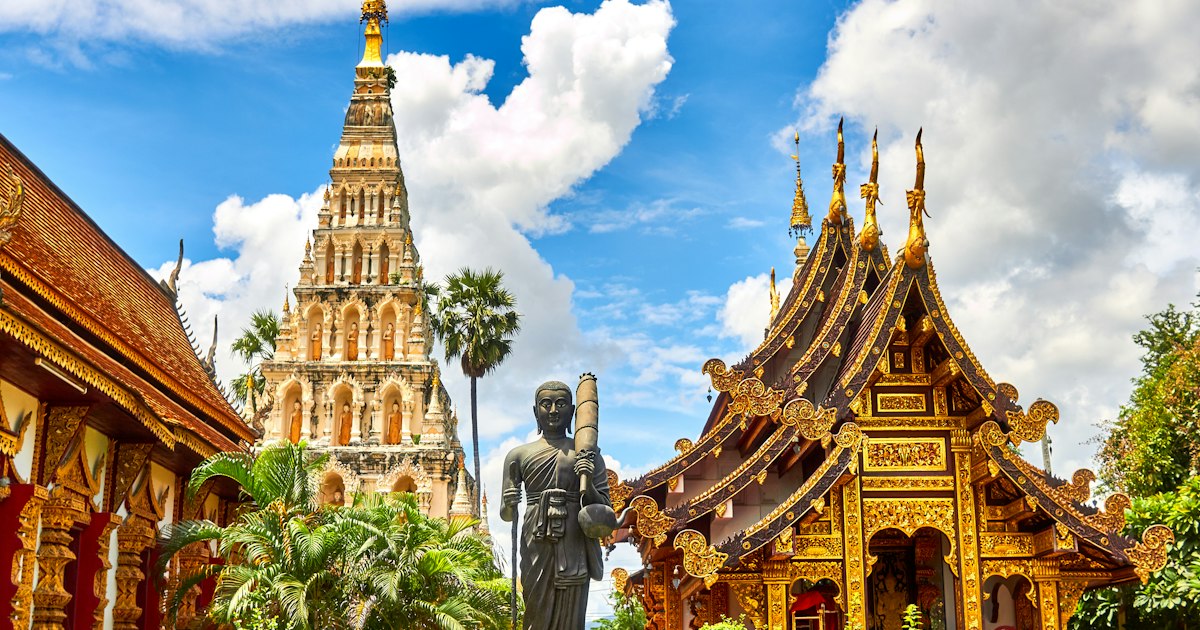
The Old City is the best starting point for any Chiang Mai travel guide because most of the famous temples sit inside or just outside its square moat. The city holds more than 100 Buddhist temples in and around the historic center, many dating to the Lanna era, according to the UNESCO World Heritage Tentative List entry for Chiang Mai.
Start with three temples that show off the city's range:
- Wat Chedi Luang: a massive, partly ruined brick stupa in the heart of the Old City, impressive at any time of day.
- Wat Phra Singh: a gilded Lanna-style temple with fine woodwork, usually busy but worth the crowds.
- Wat Phra That Doi Suthep: the mountain temple above the city, perched at 1,073 meters, reached by a long naga staircase and offering wide views over the valley.
Temples here are active places of worship, so dress with covered shoulders and knees and remove your shoes before entering shrine halls. If you are unsure about the rules, our Thailand temple etiquette guide covers what to wear and how to behave.
Night bazaars and markets
Chiang Mai's markets are where the city eats and shops after dark, and they are a highlight of any visit. The two you should prioritize are the nightly Chiang Mai Night Bazaar east of the Old City and the Sunday Walking Street that fills Ratchadamnoen Road inside the moat.
What to look for at each:
- Sunday Walking Street: handmade crafts, local art, and a long line of food stalls. Go early evening before it gets shoulder-to-shoulder.
- Saturday Walking Street on Wualai Road: smaller, known for silver and handicrafts.
- Night Bazaar: open every night, heavier on souvenirs and street food, good if your schedule does not land on a weekend.
Prices at the walking streets are often negotiable, especially for crafts and clothing. A calm, friendly approach works best, and knowing roughly what an item should cost helps. For a quick primer, see our guide on how to haggle at Thai markets without overpaying.
On the food side, northern Thai cooking is the reason to come hungry. Try khao soi, a coconut curry noodle soup, sai ua sausage, and sticky rice with grilled meats. Stalls rarely post English menus, so a translation tool helps you order with confidence. The-essential-thailand-guide can translate a handwritten Thai menu board on the spot and flag common dishes, which takes the guesswork out of a busy stall.
Elephant sanctuaries and mountain trips
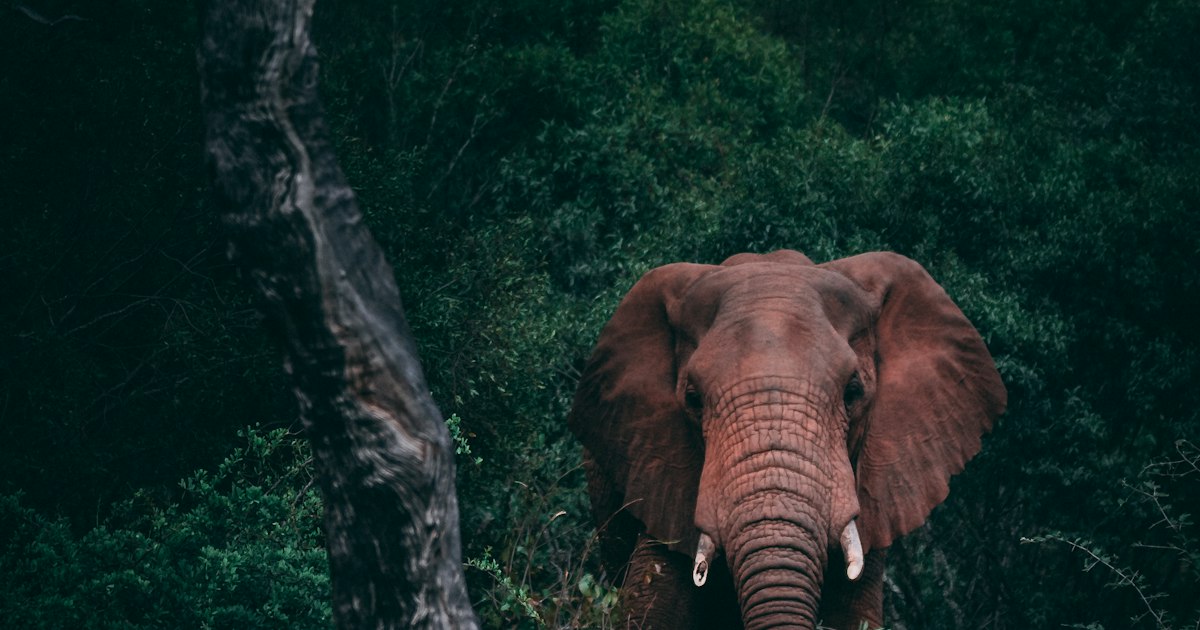
The forested hills around Chiang Mai are the main reason the city works as a nature base, and the top day trips are ethical elephant sanctuaries and a visit to Doi Inthanon. Choosing responsibly matters most with elephants: favor sanctuaries that let the animals roam and socialize, and skip anywhere offering rides or performances.
A few planning notes for the mountains:
- Doi Inthanon: Thailand's highest peak at 2,565 meters, with waterfalls, twin royal pagodas, and cool air even in hot season. The surrounding national park covers 482.4 square kilometers, so a guided day trip is the easiest way to see the highlights without renting a car.
- Doi Suthep and Doi Pui: closer to the city and easy to combine with the Doi Suthep temple.
- Sticky Waterfall (Bua Thong): limestone falls you can actually climb, a popular half-day escape.
Book sanctuaries and mountain tours a few days ahead in the November to February high season, when spots fill quickly. A guided tour also handles the long drive and park entry, which saves time on a packed itinerary.
Where to stay and how to get around
For a first visit, stay in or near the Old City so you can walk to temples, cafes, and the weekend markets. The Nimmanhaemin (Nimman) area west of the moat is the alternative, with modern coffee shops, co-working spaces, and a younger crowd, and it suits remote workers and longer stays.
Rough guide to neighborhoods:
- Old City: central, walkable, best for first-timers and temple-focused trips.
- Nimman: trendy, cafe-heavy, good for longer visits and digital nomads.
- Riverside (Ping River): quieter, with some higher-end hotels and restaurants.
Getting around is simple and cheap. Red songthaew shared trucks act as informal buses and taxis; wave one down, state your destination, and agree on a price. Ride-hailing apps are widely used and remove the haggling, which many visitors prefer for longer trips or late nights. Renting a scooter is common but only sensible if you are a confident rider with the right license and insurance.
Best time to visit and what to pack
The best time to visit Chiang Mai is the cool, dry season from November to February, when mornings are crisp and rain is rare. This is peak season, so book lodging and tours early. The hottest months run from March into May, and this period overlaps with agricultural burning that can push air quality to unhealthy levels, which is the single biggest timing consideration for anyone with respiratory sensitivity.
A quick seasonal snapshot:
- November to February: cool and dry, the most comfortable window; busiest and priciest.
- March to April: hot, with burning-season haze; fewer crowds but poor air on bad days.
- May to October: the green, rainy season, with afternoon downpours and lush scenery.
What to pack reflects both the temples and the mountains:
- Modest clothing that covers shoulders and knees for temple visits.
- A light jacket or layer for cool mornings and higher-altitude trips like Doi Inthanon.
- Comfortable walking shoes for uneven Old City lanes.
- A reusable water bottle, sunscreen, and insect repellent.
- A face mask if you visit during the March to April burning season.
A great next step is to sketch a simple three to four day plan: two days for the Old City temples and markets, one day for an elephant sanctuary, and one for Doi Inthanon. Lock in your sanctuary and mountain tour first, since those book out fastest, then fill the rest around the markets and the food.
Frequently asked questions
How many days do you need in Chiang Mai?
Three to four days covers the Old City temples, a night market, and one day trip to an elephant sanctuary or mountain. Add two more days if you want to visit Doi Inthanon or take a cooking class.
What is the best time to visit Chiang Mai?
November to February is the most comfortable, with cool mornings and little rain. March and April bring agricultural burning and poor air quality, so sensitive travelers should plan around it.
Is Chiang Mai walkable?
The Old City is compact and easy to walk, with most famous temples inside or near the moat. For longer trips, ride-hailing apps and songthaew shared trucks are cheap and widely available.
Are Chiang Mai elephant sanctuaries ethical?
Quality varies widely. Look for places that let elephants roam freely and skip riding and performances, and read recent visitor reviews before booking.