Grab vs Taxi in Thailand: Which Is Cheaper?
Key takeaways
- Metered taxis are usually cheaper than Grab for short rides, as long as the driver actually runs the meter.
- Grab shows a fixed price before you book, which removes meter refusals and fare haggling with tourists.
- In heavy traffic a running taxi meter can beat Grab, but Grab surge pricing wins during rain and rush hour.
- At airports, book Grab or use the official taxi stand, and always expect a 50 THB airport surcharge plus tolls.
- Tipping is not expected for either option, though rounding up to the nearest 10 to 20 THB is a common courtesy.
For most trips around Bangkok, a metered taxi costs slightly less than Grab, but only if the driver agrees to use the meter. Grab usually wins once you count the refused meters, the padded flat rates, and the stress of arguing over a fare in a language you do not speak. The Grab vs taxi Thailand question is less about the raw fare and more about which option gives you a fair price without a fight.
This guide walks through how each one is priced, when a taxi genuinely saves you money, when it quietly overcharges you, and how to pick the right ride in different cities and situations.
Grab vs taxi Thailand: how the pricing works
A Bangkok taxi is supposed to run on a government-regulated meter. The fare starts with a flagfall when you get in and climbs on a per-kilometer scale, with an extra per-minute charge when the car crawls in slow traffic. On paper this is the cheapest way to get around, because the rate is fixed by regulation and does not change with demand.
Grab works differently. When you book, the app calculates a price from distance, estimated time, and current demand, then shows you one number before you confirm. You know the cost up front, you can pay by cash or card, and there is nothing to negotiate once the ride starts.
Grab offers more than one product in Thailand, and the difference matters for cost:
- GrabTaxi sends you a regular metered taxi through the app. You pay the normal meter fare plus a small booking fee for the convenience.
- GrabCar is a private driver in a standard sedan. You get a fixed quoted price instead of a meter, which protects you from traffic but exposes you to surge pricing.
The honest summary is that a metered taxi has the lowest base rate, while Grab trades a slightly higher price for certainty. For a traveler who cannot easily tell a fair fare from a fleece, that certainty is often worth paying for.
When taxis win and when they rip you off
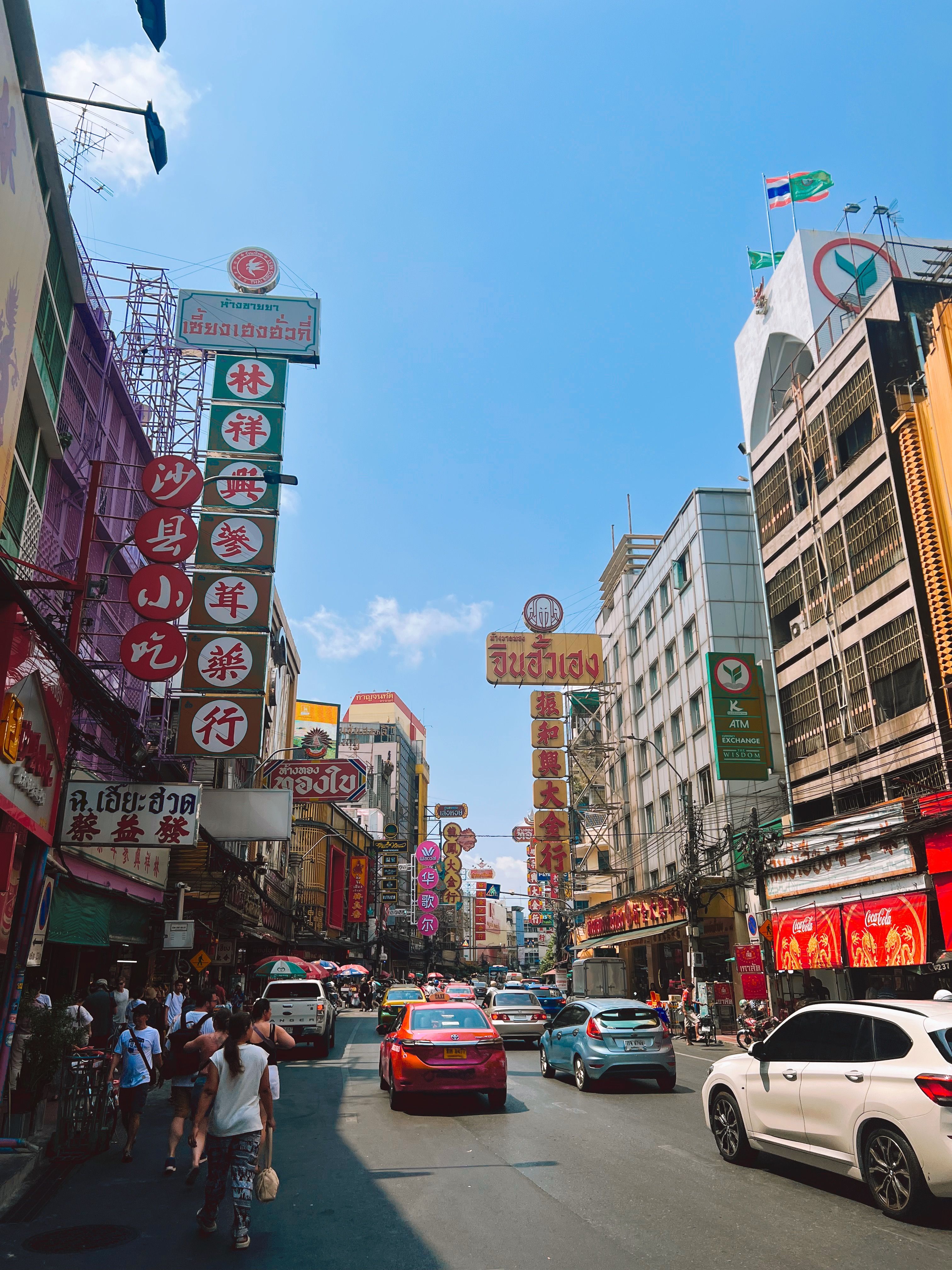
Taxis win on price in two clear situations. The first is a short hop of a few kilometers, where Grab's booking fee or minimum fare makes the app feel expensive for a tiny trip. The second is gridlock. Because the meter charges a modest per-minute rate when the car is barely moving, a taxi stuck in traffic can still end up cheaper than a Grab quote that has already priced the delay in.
The problem is that taxis also create the most common way tourists get overcharged. A Mastercard report cited by Nation Thailand found that 48% of tourist scam cases in Bangkok involved taxis or rental cars, which puts the risk in perspective. The usual pattern is simple: a driver near a tourist hotspot refuses to use the meter and offers a flat price that is two or three times the real fare.
Watch for these warning signs:
- The driver says the meter is broken or claims traffic makes the meter unfair.
- You are quoted a round number like 300 or 500 THB before you have said where you are going.
- The driver waves you toward a tourist spot, a tailor, or a gem shop instead of your destination.
None of this means every taxi is a trap. Plenty of drivers are honest and will happily flip the meter down. The issue is that you cannot tell in advance, and the cheap base rate only helps you if the meter is actually running.
Insisting on the meter and avoiding flat rates
Your single most useful phrase in a Thai taxi is a request to use the meter. Say it as you get in, before the car moves, and point at the meter if the driver hesitates. If the answer is no, the right move is to close the door and wait for the next cab rather than negotiate. There is almost always another taxi within a minute, and refusing a meter is itself against the rules.
Flat rates are where tourists lose the most money. A metered ride across central Bangkok often lands in the low hundreds of baht, yet a flat-rate quote for the same trip can run far higher. If a driver insists on a fixed price, treat the quote as a starting point only for very short distances you can sanity-check, and otherwise walk away.
This is also where a travel app earns its keep. The-essential-thailand-guide can show you the fair metered range for a route and translate your meter request into Thai on the spot, so you can tell at a glance whether a quoted flat rate is reasonable or a markup. Pairing that with a few spoken words goes a long way, and our roundup of essential Thai phrases every traveler should know covers the ones that matter most in a cab.
Booking through Grab sidesteps the whole negotiation. The price is set before the driver arrives, so there is no meter to refuse and no flat rate to argue over. That is the core reason many visitors default to the app even when a taxi would technically be a few baht cheaper.
Tipping and payment methods
Tipping is not expected for either taxis or Grab in Thailand. The common courtesy is to round the fare up to the nearest 10 or 20 THB and tell the driver to keep the change. For a longer ride or a driver who helped with heavy luggage, a slightly larger round-up is a kind gesture, but nobody will chase you for it.
Payment is where Grab has a clear edge. The app lets you link a card or wallet and pay with a tap, or choose cash if you prefer, and you select the method before the ride starts. Taxis are cash-first in practice, so carry small notes. Handing a driver a 1,000 THB note for a 90 THB fare invites a sudden shortage of change, and that awkward moment is a favorite excuse for keeping more than is owed.
A few practical habits help with both options:
- Keep 20, 50, and 100 THB notes handy for taxi fares and tips.
- For Grab, confirm cash or card in the app so the driver is not surprised.
- Screenshot or note your Grab price before the ride in case of a dispute.
Best choice by city and situation
The right answer changes with where you are and what you are doing.
Bangkok city center. Either works. If you are confident asking for the meter and the traffic is bad, a taxi is cheapest. If you want zero friction, Grab is worth the small premium.
Airports. This is where Grab shines. Touts at arrivals are the classic overcharge, so either use the official taxi stand or book Grab from inside the terminal. Expect a 50 THB airport surcharge on taxis at Suvarnabhumi, set by the Ministry of Transport, plus expressway tolls paid by you on top of the meter.
Islands and smaller towns. Grab coverage thins out quickly outside major cities, and in some island areas it is effectively unavailable. There you fall back on local taxis, songthaews, and motorbike taxis, where a polite agreed price before you ride is normal and expected.
Late at night or in the rain. Grab surge pricing climbs during heavy rain and rush hour, so a metered taxi can suddenly be the cheaper choice at exactly the moment you want a ride. If the Grab quote looks high, flagging a metered cab is a reasonable backup.
A relaxed rule of thumb: in big cities, use a meter when you can confirm it and Grab when you cannot, and anywhere rides get scarce, agree the price out loud before you climb in.
The cheapest ride is the one that charges you the fair local rate, and your best defense is knowing that number before a driver names a price. Download a tool that shows fair fares and translates your meter request, such as The-essential-thailand-guide, before your first ride from the airport, and you will spend the rest of the trip choosing between Grab and taxis on price rather than on who is least likely to overcharge you.
Frequently asked questions
Is Grab cheaper than a taxi in Bangkok?
For most short to medium trips, a metered taxi is slightly cheaper than GrabCar if the driver uses the meter. Grab becomes the better value when you factor in refused meters, scam risk, or the convenience of a locked-in price.
Do I tip Grab drivers in Thailand?
Tipping is not expected for taxis or Grab in Thailand. Many travelers simply round the fare up to the nearest 10 or 20 THB, and the Grab app lets you add a small tip in cents if you want to.
Can I pay cash for Grab in Thailand?
Yes. Grab in Thailand accepts both cash and a linked card or in-app wallet. Choose your method before confirming the booking so the driver knows what to expect.
What is the airport taxi surcharge in Thailand?
A 50 THB airport surcharge applies to taxis picked up at Suvarnabhumi, set by the Ministry of Transport. Expressway tolls are paid separately by the passenger on top of the meter.